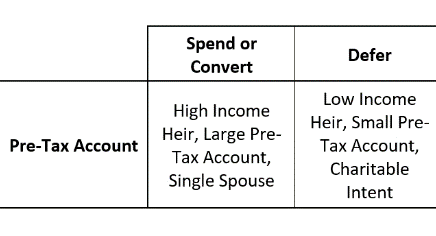
Who Pays the Taxes on Your IRA?
IRA Legacy Planning Let’s look at IRA Legacy Planning. IRAs are tax timebombs, and someone will pay the taxes. Who? You, Your Spouse, or Your Kids? Do you and your spouse want to pay the taxes or leave them for […]
IRA Legacy Planning Let’s look at IRA Legacy Planning. IRAs are tax timebombs, and someone will pay the taxes. Who? You, Your Spouse, or Your Kids? Do you and your spouse want to pay the taxes or leave them for […]
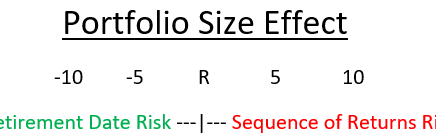
Get the Last Doubling – The Portfolio Size Effect The portfolio size effect leads to a tough decision: a tradeoff. All investment decisions are tradeoffs. You want to get what you can from the market before you retire while […]

SLATs If you have succeeded in gathering and protecting assets, you may have a Federal Estate Tax problem. Consider a SLAT. How about that for a new financial goal: I want an estate tax problem! Worried about Estate Taxes? […]
Should You Use your Non-Governmental 457(b) Plan? This is the ultimate guide to non-governmental 457(b) plans. If you are a highly compensated employee of a non-profit institution and want to know if you should use your 457 plan, chances are […]

Five Forms of Post-Traumatic Growth Rain falls in everyone’s life. Trees, too. Trauma is common. So is post-traumatic growth! About half of people report moderate to high post-traumatic growth. The tree across my path; the few data regarding post-traumatic […]
Betrayal and Post-Betrayal Syndrome If you have been betrayed by someone close to you, it behooves you to understand betrayal trauma and post-betrayal syndrome. Betrayal results in anger, resentment, a loss of trust, and so much more. Afterward, there are […]
On Being a Pseudo-Physician I am a pseudo-physician. There I said it! Being a pseudo-physician is an achievement (because I escaped the chains of usual employment due to financial independence), and I happily receive the award given to pseudo-doctors. […]
How to have better friends in retirement Understanding your attachment style can help you have better friendships in retirement. About half have a secure attachment style. The rest have a mix of insecure attachment features (like avoidant or anxious). The […]
Never Sell Low My first advice as the first step of investing is never to sell low. Asset allocation is the most important decision an investor has to make after deciding to invest. Still, a first step before that is […]